Ayodhya is not like other destinations. Most cities you visit for the first time are simply new -new streets, new food, new faces. Ayodhya is all of those things and something else entirely: a place that carries millennia of history, belief, and significance in a way that changes the quality of simply being there. First-time visitors consistently describe the experience of arriving as different from what they expected. Not in a bad way. In the way that happens when a place is larger than the idea of it you carried.
The best way to arrive in Ayodhya is informed. Not over-planned -the city rewards spontaneity and presence -but aware. Aware of its history, its etiquette, its rhythms, its seasons, and what to practically expect from the visit. This guide covers all of it.

By the end, you will know the city well enough to experience it properly on day one.
Ayodhya: What You Are Actually Visiting
Ayodhya is one of the seven sacred cities -the Sapta Puri -of Hinduism. It is mentioned in the Ramayana, the Puranas, and the Atharvaveda. Tradition holds it as the birthplace of Lord Ram, the seventh avatar of Vishnu, making it one of the most sacred sites in the Hindu world -and one of the most emotionally significant destinations for hundreds of millions of people across India and the diaspora.
The city sits on the banks of the Saryu river in Uttar Pradesh. It has been a centre of pilgrimage, scholarship, and devotion for thousands of years. The January 2024 consecration of the Ram Mandir -one of the most significant religious constructions in modern Indian history -has brought a new scale of national and international attention to a city that was already drawing millions of visitors each year.
Understanding this context before you arrive is not academic. It changes how you move through the city, how you engage with what you see, and how you respond to the moments that first-time visitors consistently describe as unexpectedly moving. Ayodhya is not just a set of landmarks. It is a living expression of a tradition that has been maintained continuously for centuries.
The Key Landmarks: What to See and What to Know Before You Go
Ram Mandir
The primary reason most first-time visitors come to Ayodhya. The Ram Mandir complex is built on the site traditionally believed to be the birthplace of Lord Ram. The architecture is the Nagara style, constructed in pink sandstone from Rajasthan. The main temple houses the idol of Ram Lalla -the child form of Lord Ram -which draws the longest queues and the most intense devotion.
What to know before your first visit:
• Mobile phones and photography are restricted inside the temple complex. Follow the signage strictly.
• Shoes must be removed before entering. Lockers and shoe storage facilities are available outside.
• Early morning darshan (before 8 AM) has shorter queues than midday. If proximity to Ram Mandir is a priority, your hotel choice makes this possible or not.
• Dress modestly. Shoulders and knees should be covered. Lightweight cotton in neutral colours works across all seasons.
• The complex is larger than most first-time visitors expect. Allow at least two to three hours, especially on your first visit.
Hanuman Garhi
A hillside temple dedicated to Lord Hanuman, reached by 76 steps and offering views across Ayodhya that reframe the city spatially in a way that ground-level visits cannot. Most first-time visitors find Hanuman Garhi unexpectedly powerful -the climb, the scale of the temple complex at the top, and the panoramic view create a different quality of engagement from the more concentrated atmosphere of Ram Mandir.
Kanak Bhawan
One of the most richly decorated temples in Ayodhya, dedicated to Ram and Sita. Quieter than Ram Mandir and deeply devotional in atmosphere. The interior is covered in gold and ornate decoration that first-time visitors find visually extraordinary. Children are particularly drawn to the colour and scale of the interior space.
The Saryu Aarti
The evening prayer ceremony at Ram Ki Paidi Ghat on the Saryu river. Priests perform the aarti as lamps are lit and offered to the river, bells ring, and the devotional chanting fills the waterfront. For most first-time visitors, this is the moment Ayodhya becomes viscerally real -the city’s spiritual character made visible and audible in one place, at one time. Arrive at least 20 minutes early. The timings change seasonally -check the current time before leaving your hotel.
Ram Ki Paidi Ghat
The wide riverside steps that line the Saryu. At dawn and dusk, the ghats transform -pilgrims performing rituals at the water’s edge, lamps floating downstream, the quality of light on the river changing minute by minute. Simply sitting at the ghats with no plan other than being present is one of the most memorable things a first-time visitor can do in Ayodhya.

The Culture and Etiquette Every Visitor Should Understand
Ayodhya operates within a set of cultural norms that are worth understanding before you arrive. Not because the city is unwelcoming to the uninformed, but because being aware makes the visit significantly more comfortable and respectful for everyone, including you.
• Ayodhya is a sattvic city. Non-vegetarian food is not available and is not culturally appropriate to seek here. The culinary tradition is entirely vegetarian, and the city’s food culture reflects this with genuinely excellent vegetarian options.
• Alcohol is not sold or consumed publicly in Ayodhya. This is consistent with the city’s religious and cultural character.
• Modest dress applies across the city, not just at temples. This is not enforced but is the expected standard and is followed by most visitors as a mark of respect.
• Noise levels and behaviour near temples should reflect the devotional context. This is a city of active, ongoing religious practice, not a heritage site. Treat the places you visit accordingly.
• Shoes come off at every temple entrance. Carry footwear you can remove and put back on without effort. Socks are a practical choice for cooler months when temple floors can be cold.
• Photography at and around temples requires awareness. Always check for signage. When in doubt, do not photograph.
• Cash is widely used in Ayodhya. Prasad stalls, smaller temples, auto-rickshaws, and the old bazaars prefer or require cash. ATMs are available but can be busy during peak periods. Carry sufficient cash from the time of arrival.
Getting to Ayodhya: Your Three Routes
By Train
The most practical option for most travellers. Ayodhya Cantt Railway Station receives direct trains from Delhi (approximately 8 hours by overnight express), Lucknow (approximately 2 hours), Varanasi (approximately 3.5 hours), and Prayagraj (approximately 2.5 hours). AC coaches make the journey comfortable for families. Mosaic Connect Ayodhya is just 1 km from Ayodhya Cantt Station -a short auto ride from arrival to check-in.
By Air
Maharishi Valmiki International Airport now receives flights from Delhi, Mumbai, Bengaluru, and several other major Indian cities. Flight times are short -Delhi to Ayodhya is approximately 1.5 hours. The airport is 5 km from Mosaic Connect Ayodhya. For travellers coming from Mumbai or Bengaluru, flying is often the most practical option, especially for shorter trips.
By Road
Families with their own vehicle often prefer the flexibility of road travel. Lucknow is 127 km from Ayodhya (approximately 2.5 hours), Prayagraj is 159 km, and Varanasi is 213 km. The roads connecting these cities to Ayodhya have improved significantly. The journey from Delhi by road is approximately 7–8 hours depending on traffic.
What to Pack: A First-Timer’s List
Packing for Ayodhya is simpler than most destinations once you understand the context:
• Comfortable walking footwear that slips on and off easily -you will remove your shoes many times per day
• Lightweight cotton clothing in modest cuts -full sleeves or shawls for temple visits, comfortable layers for cooler evenings
• A small daypack for temple visits -water bottle, snacks for children, personal medication, a light layer
• Sunscreen and a hat or dupatta for the afternoon hours -Ayodhya has significant sun exposure during temple circuit walks
• Cash in small denominations -₹10 and ₹20 notes for prasad, tips, and small purchases in the old bazaar lanes
• A power bank -navigation, photography where permitted, and staying connected through a full day of temple visits drains phone batteries
• Winter months (December to February): a warm layer for early morning aarti visits when temperatures drop significantly
Where to Stay: Why the Hotel Choice Defines the First Visit
For a first-time visitor to Ayodhya, the hotel is not incidental. It determines the rhythm of every day -how early you can reach the morning aarti, whether you can return for rest in the afternoon without losing an hour each way, whether dinner is a solved problem or a daily negotiation in an unfamiliar city after a spiritually full day.
Mosaic Connect Ayodhya is the hotel that removes these frictions for first-time visitors. Civil Lines, Ayodhya -1 km from Ayodhya Cantt Railway Station and 5 km from Maharishi Valmiki International Airport. Key landmarks within easy reach. Three room types for every travel configuration: Premium Rooms for couples and solo travellers, Family Rooms for groups, and Deluxe Twin Rooms for two adults. Every room with air conditioning, free Wi-Fi, mini fridge, tea and coffee maker, and hot water.
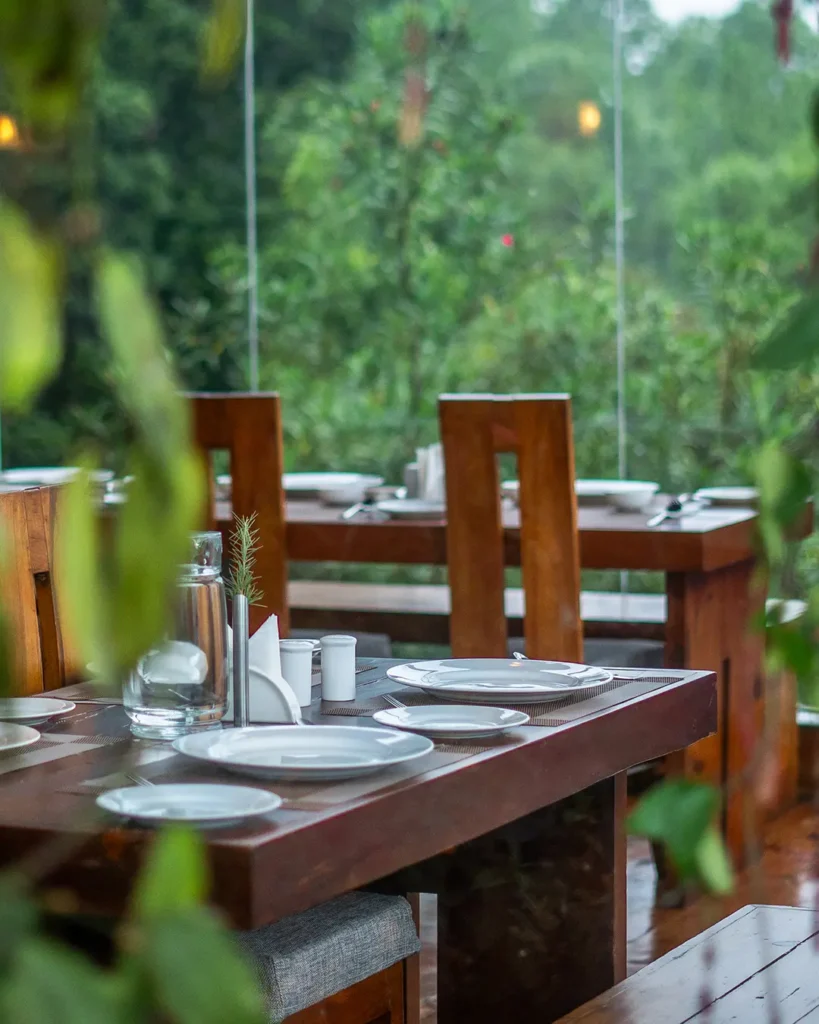
The in-house vegetarian restaurant -open from breakfast through to late dinner -is a specific advantage for first-time visitors who are not yet familiar with the city’s dining landscape and do not want to spend time each day finding food. It serves a multi-cuisine vegetarian menu that is consistent, clean, and genuinely good.

Honest Things First-Time Visitors Wish Someone Had Told Them
These are the observations that experienced Ayodhya visitors share when asked what they wish they had known:
• The queues at Ram Mandir can be long. Go early, go patient, and do not try to rush the experience. It is not that kind of place.
• You will feel things you did not expect to feel. First-time visitors with no particular religious affiliation regularly describe unexpected emotional responses to the city, the aarti, and the atmosphere. This is not unusual. Ayodhya has been holding human devotion for thousands of years. It is perceptible.
• Do not over-schedule. Three landmarks a day in Ayodhya, done properly, is more than enough. The temptation to see everything on the first visit produces a kind of exhaustion that prevents you from actually experiencing any of it.
• The old lanes near the bazaar are as much a part of the experience as the temples. Walk them slowly. The incidental moments -a flower seller, a chai stall at a corner, a lamp being lit in a doorway -carry the city’s character as clearly as any landmark.
• Book your hotel before anything else, especially for peak season visits. The right accommodation makes or breaks the first trip.
• You will want to come back. Almost every first-time visitor does. Plan for two days minimum. Three is better.
You Are More Ready Than You Think
The best preparation for a first trip to Ayodhya is not an exhaustive itinerary or a carefully optimised schedule. It is the willingness to arrive with enough knowledge to be comfortable and enough openness to be surprised. The city will do the rest.
Book a hotel near the key landmarks that you trust to take care of the practical things -the meal after a long day, the comfortable bed, the early morning readiness. At Mosaic Connect Ayodhya, that is exactly what is waiting for you.
Ayodhya gives generously to those who come prepared and stay present. Your first visit is ready to begin.

Ready for your first Ayodhya trip?
Book your stay directly at Mosaic Connect Ayodhya and start your first Ayodhya experience with the right base, the right location, and exclusive direct booking benefits:
• Best price guaranteed online
• Complimentary breakfast included
• Exclusive F&B discounts for direct bookers
Secure booking. Instant confirmation. Ayodhya is ready for your first visit.